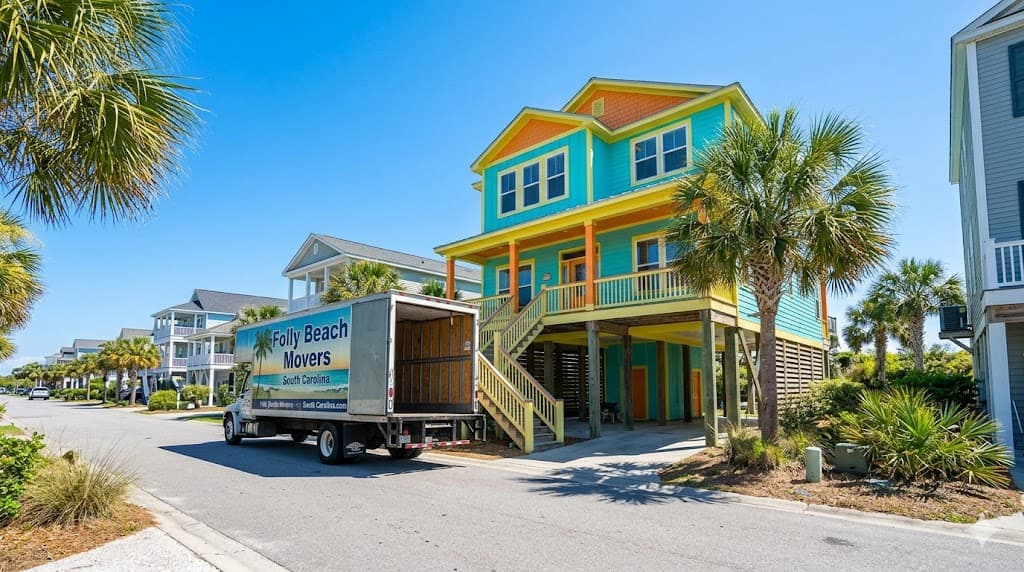
Folly Beach is a real place where real people live full-time. It's not just a vacation destination. The 2,400 permanent residents who call it home are a community — with local politics, neighborhood relationships, and the kind of daily rhythms that only develop when people genuinely live somewhere rather than visiting it.
If you're considering moving to Folly Beach, here's everything you need to know before you make that decision.
The First Question — Buy or Rent Long-Term?
The Folly Beach housing market creates a specific challenge for people who want to move there: property prices are high, inventory is limited, and the short-term rental market has consumed a significant portion of the housing stock.
Buying: Median home prices on Folly Beach have stabilized in the $1.1 to $1.3 million range. For a barrier island eleven miles from downtown Charleston with genuine oceanfront access, these prices reflect real demand — not speculation. Properties move. The market is competitive for well-priced homes in good condition.
Long-term renting: This is harder than it sounds on Folly Beach. The short-term rental cap at around 800 investment licenses has not eliminated the preference among property owners for short-term rentals over long-term tenants — the income differential is significant. Long-term rental inventory on the island is genuinely limited. What exists often rents quickly through word of mouth rather than formal listings.
The James Island option: Many people who want to live the Folly Beach lifestyle without the Folly Beach price point buy or rent on James Island — the land mass immediately north of Folly, connected by a short bridge. James Island is a 10-15 minute drive from Folly Beach and offers substantially more housing inventory at meaningfully lower prices. A significant portion of the people who consider themselves "Folly Beach people" actually live on James Island and commute to the island for beach access and socializing.
The Actual Cost of Living on Folly Beach
Housing is the largest cost but not the only one that's elevated compared to the mainland.
Insurance: Homeowner's insurance on a barrier island in a FEMA flood zone is expensive. Flood insurance is required for mortgaged properties in the flood zone, and the premiums reflect the genuine risk. Budget for insurance costs that are significantly higher than comparable square footage anywhere inland.
Maintenance: Salt air accelerates corrosion and decay. Wood rots faster. Metal rusts. Air conditioning systems work harder and fail sooner. The maintenance cost of a beach house is substantially higher than a comparable house inland — factor 20-30% higher annual maintenance costs into any budget projection.
Groceries and services: Bert's Market is the main grocery option on the island. Prices reflect the island's captive market. Most residents make periodic runs to James Island or Charleston for major shopping. Delivery services reach the island but add logistics.
Everything else: The restaurants and bars on Center Street are not budget options. Folly Beach is not a cheap place to eat and drink. It's a good place — but the price points reflect a market that serves visitors with vacation budgets alongside residents.
The Logistics of Moving
Getting your stuff there: Folly Beach's residential streets are narrow and the houses are typically elevated on stilts. Standard moving trucks can navigate most of the island, but the combination of limited street width and elevated house access can complicate deliveries. Coordinate with your moving company about the specific property access before move day.
Parking your vehicles: Most Folly Beach houses have parking under the structure — one or two spaces depending on the property. If you have more vehicles than parking spaces, street parking in residential areas follows the same all-four-tires-off-pavement rule that applies everywhere on the island. This is enforced.
Utilities: Standard utilities — electricity, water, internet — are all available on Folly Beach. Internet service has improved significantly in recent years. The city provides water and sewer. Electricity rates reflect coastal South Carolina norms.
Hurricane preparedness: Moving to a barrier island means accepting hurricane risk as a routine part of life. Most long-term Folly Beach residents have evacuation protocols — knowing where they'll go, what they'll take, and how they'll secure the property. This is not paranoia; it's practical. A mandatory evacuation order for Folly Beach means you leave. Having that plan in place before you need it is part of living on the island.
What Changes When You Live There
The things that make Folly Beach appealing as a vacation destination are genuinely present as a resident — with some adjustments.
The beach access you imagined: Yes, it's real. Walking to the ocean in five minutes, surfing before work, watching the sunrise from the beach on a Tuesday morning — these are things that become normal rather than special. That normalization is both the gift and the adjustment of barrier island living.
The tourist season: What feels exciting and vibrant as a weekend visitor becomes something to manage as a resident. Memorial Day through Labor Day transforms the island. Your parking spot is gone. Your favorite restaurant has a two-hour wait. The road off the island backs up on Sunday afternoons. Long-term residents develop rhythms around the season — early morning beach time before crowds, weekday routines that sidestep the weekend chaos, genuine appreciation for October when the island recovers itself.
The community: Folly Beach has the social texture of a small town. You will know your neighbors. You will have opinions about local politics. The City Council meetings will matter to you in a way they don't when you're a visitor. This is a feature of small-town living that people either love or find claustrophobic. Know which one you are before you move.
The Process of Actually Buying
Working with a real estate agent who knows Folly Beach specifically — not just the broader Charleston market — is worth the effort. The island's flood zone complexities, the STR cap and its implications for investment properties, and the specific characteristics of elevated construction on barrier island lots are details that require local expertise.
Dunes Properties is the primary local real estate and property management company on Folly Beach and has deep knowledge of the market. Other Charleston-area agents with specific barrier island experience are worth seeking out as well.
Before making an offer on a Folly Beach property, verify the flood zone designation, get the current elevation certificate, understand the insurance requirements and costs, and have a clear picture of whether the property has a short-term rental license and what that license type permits.
For more context on what life on Folly Beach actually looks like, see our honest guide to living on Folly Beach and the vacation rentals guide for context on the rental market dynamics that shape the housing stock.